
#1 Refrigerator & Freezer Trailer Rental Co. in Hawaii
KryoFridge Hawaii provides mobile refrigeration and freezer trailer rentals built for events, businesses, and time-sensitive situations across the island of Oahu. From Honolulu and Waikiki to Kapolei, Kaneohe, Kailua, and the North Shore, we deliver reliable cold storage solutions that keep food, beverages, and temperature-sensitive items protected in Hawaii’s climate.
About KryoFridge Hawaii
We specialize in both short-term event refrigeration and long-term refrigeration trailer rentals across Oahu, serving Honolulu, Waikiki, Kapolei, & more!
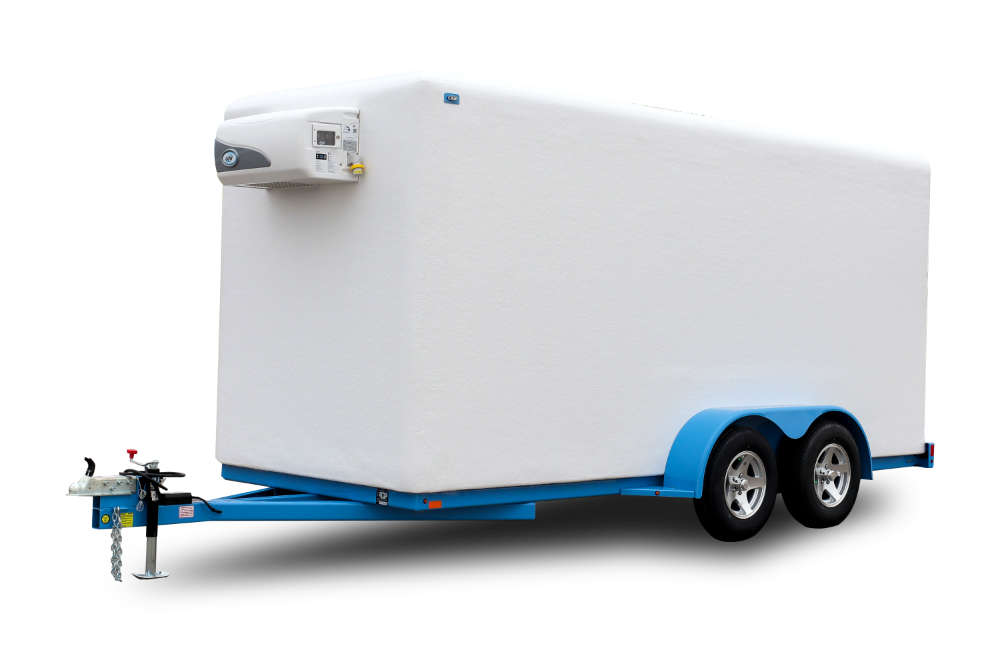
The units are delivered sanitized and ready to work. The refrigeration trailers can be set to 50 - 0 degrees and only require a 20amp electrical outlet.
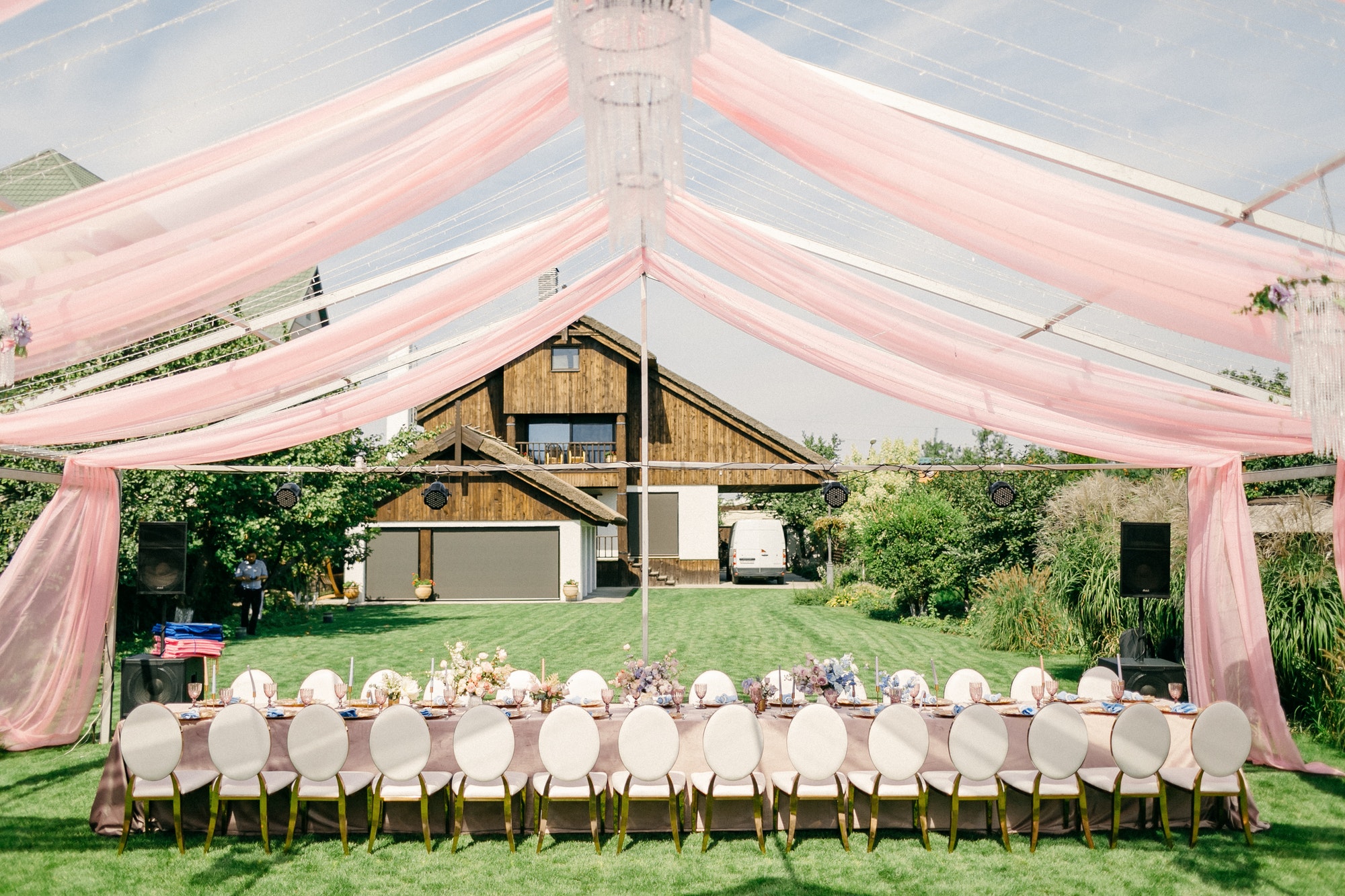
- Weddings
- Special events
- Festivals
- Dairy farms
- Floral
- Schools
- Construction
- Restaurants & More!



Why Choose Us
A reliable partner you can count on to support a successful event anywhere on Oahu, from Honolulu and Waikiki to Kapolei, Kailua, and beyond.
Our refrigeration trailers are designed to fit in a standard parking space and feature swing-open doors that make loading and unloading quick and easy. Each unit is delivered clean, sanitized, and ready to go. We also provide refrigeration trailer rentals for emergency situations across Oahu, including Honolulu and surrounding areas, when coolers or freezers go down at restaurants, schools, or other facilities and you need reliable cold storage fast.
Affordable Pricing
Competitive Rates for event rentals and long term clients
Fully Insured
We carry all the needed insurances to serve your business or school
Easy Booking
Submit a quote online or give us a call. All payments done online
24/7 Support
Emergencies happen. We're here to help. Call or text anytime
Our Trailers
The best in mobile refrigeration solutions, trusted across Oahu to deliver reliable, professional cold storage for events, businesses, and emergency needs.
KryoFridge Hawaii delivers top-tier mobile refrigeration and freezer trailer rentals built to perform in real-world conditions. Our trailers are NSF approved and constructed with a rugged, seamless fiberglass design, 4-inch thick insulated walls, and heavy-duty keg floors that help maintain consistent temperatures down to 0 degrees, even in Hawaii’s heat.
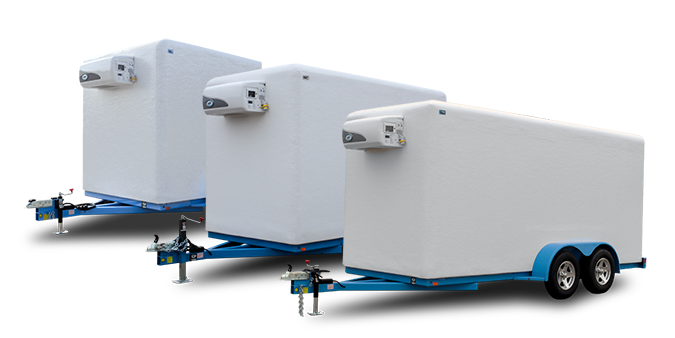
We offer three versatile trailer sizes to match different needs, 6×8, 6×12, and 6×16 refrigeration or freezer trailers. These units are available across Oahu, serving Honolulu, Waikiki, Kapolei, and surrounding areas, making it easy to get dependable cold storage whether you are supporting an event, running a business, or responding to an unexpected refrigeration failure.
Hawaii Refrigerated and Reefer Trailer Rentals
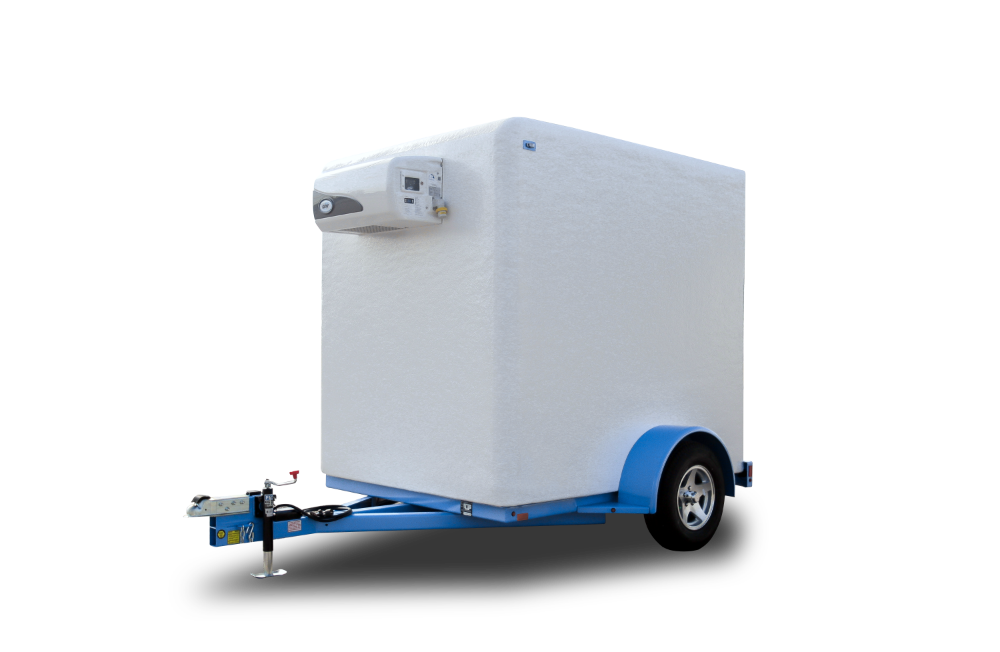
6'x 8' Refrigerator or Reefer Trailer
- Temperature range of 0°F to 50°F
- Dimension 6'X8'
- Storage space 268 ft³
- Payload 3000 lbs.
- 110/120v 20 AMP DEDICATED CIRCUIT REQUIRED Within 100 FT
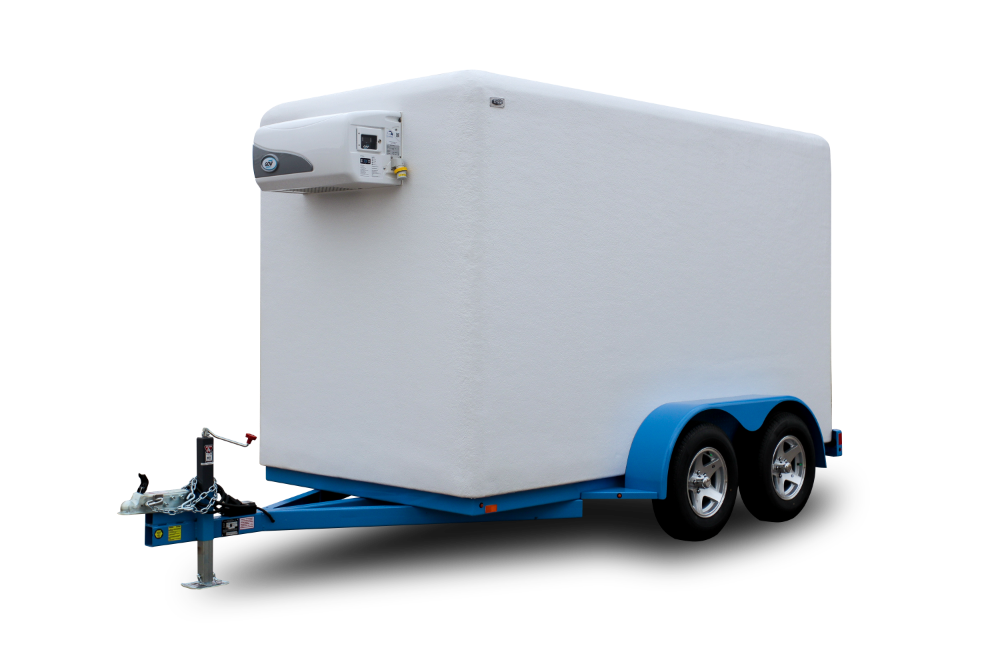
6'x 12' Refrigerator or Reefer Trailer
- Temperature range of 0°F to 50°F
- Dimension 6'X12'
- Storage space 416 ft³
- Payload 4300 lbs.
- 110/120v 20 AMP DEDICATED CIRCUIT REQUIRED Within 100 FT
6'x 16' Refrigerator or Reefer Trailer
- Temperature Range of 0°F to 50°F
- Dimension 6'X16'
- Storage space 564 ft³
- Payload 6690 lbs.
- 110/120v 20 AMP DEDICATED CIRCUIT REQUIRED Within 100 FT
Hawaii Freezer Trailer Rentals
6'x 8' Freezer Trailer
- Temperature range of 0°F to 50°F
- Dimensions 6' x 8'
- Storage Space 268 ft³
- Payload 3000 lbs.
- 110/120v 20 AMP DEDICATED CIRCUIT REQUIRED Within 100 FT
6'x 12' Freezer Trailer
- Temperature range of 0°F to 50°F
- Dimensions 6' x 12'
- Storage Space 416 ft³
- Payload 4300 lbs.
- 110/120v 20 AMP DEDICATED CIRCUIT REQUIRED Within 100 FT
6'x 16' Freezer Trailer
- Dimensions 6' x 16'
- Storage Space 564 ft³
- Payload 6690 lbs.
- Temperature range of 0°F to 50°F
- 110/120v 20 AMP DEDICATED CIRCUIT REQUIRED Within 100 FT
Testimonials
What They Say About Us
I work with a lot of large, multi-day weddings on Oahu, especially cultural celebrations that involve extended families and hundreds of guests. For a recent event in Honolulu, we needed reliable refrigeration to handle food and beverages for an entire week. The KryoFridge trailer showed up spotless, held temperature perfectly in the island heat, and made everything run smoothly for our client. It was exactly what we needed.
Surgical Operations Director | Honolulu, Oahu
When our hospital walk-in refrigerator failed unexpectedly, we needed immediate temporary refrigeration to protect critical medications. KryoFridge Hawaii delivered a refrigeration trailer to our facility in Honolulu within an hour of our call. The unit arrived clean, fully operational, and gave us peace of mind during a high-pressure situation. Their speed and professionalism made a real difference when it mattered most.
Restaurant Owner ~ Waikiki Beach Honolulu
One Friday evening, right in the middle of service, our walk-in freezer suddenly went down. With a full kitchen and a weekend ahead of us, we were staring at the possibility of losing thousands of dollars in food. I called KryoFridge Hawaii expecting a long wait, but instead they moved fast. They delivered a freezer trailer to our restaurant in Honolulu the same night, already cold, clean, and ready to load. It gave us immediate breathing room and kept our operation running without interruption. That kind of response is rare, and it made all the difference for our business.
How We Work
Easy Renting Process
We try to keep it simple! Quote, Book, Deliver, and Enjoy!
Quote KryoFridge Trailer
Submit a quote and verify availability

Booking Payment
50% deposit required to lock in rental.


Receive Your Trailer
Driver will call 30min prior to delivery and will set up the trailer.
Enjoy Your Event
Keep the trailer plugged in and keep your good nice and cool.
1. Why Mobile Refrigeration Matters on Oahu
If you run anything on Oahu that touches food, beverage, medicine, flowers, or temperature-sensitive inventory, you already know the island plays by different rules. On the mainland, a lot of businesses can lean on quick replacement parts, fast service calls, and next-day equipment delivery if something breaks. On Oahu, you still have great technicians and strong vendors, but the timeline is not always in your control. Shipping delays happen. Parts can take longer. Specialty equipment can get backordered. And when you are talking about refrigeration, time is not a neutral factor. Time is the whole game.
Oahu’s climate adds pressure from the start. Heat and humidity do not just make people uncomfortable, they also make refrigeration systems work harder and longer. That steady workload can expose weaknesses in older equipment, especially walk-in systems that are already running near capacity. Salt air is another factor most people underestimate. If you are near the coast, salt can accelerate corrosion, wear down metal components faster, and shorten the lifespan of outdoor equipment and exposed hardware. Then you add real-world Oahu logistics: compact lots, tight loading zones, limited back-of-house space in Honolulu, and high demand during event seasons. That combination is exactly why mobile refrigeration trailers have become a normal part of operations for so many organizations across the island.
It is also important to be honest about what “normal operations” means for Oahu. Tourism pushes demand up and down in ways that can be hard to predict. A restaurant might go from manageable volume to slammed overnight depending on travel trends, conventions, or seasonal waves. A hotel might host multiple large groups back-to-back. A catering company might support a corporate event in Waikiki on Friday, a wedding in Kailua on Saturday, and a community event on the North Shore on Sunday. Those swings create the same problem again and again: your existing cold storage is fine until it is not, and once you are past the limit, you need overflow capacity immediately.
That is where a refrigeration or freezer trailer rental becomes more than “extra space.” It becomes risk management. It becomes continuity. It becomes the difference between finishing service, protecting inventory, and staying compliant versus scrambling with coolers, ice, and temporary setups that can fail fast. A professional mobile unit gives you stable temperatures, predictable capacity, and a clean, controlled environment that is much easier to defend in a health inspection or internal audit.
This guide is written for people who need practical clarity, not marketing fluff. If you are an event planner in Honolulu who needs to keep food and drinks cold for multi-day celebrations, you will find planning guidance here. If you run a restaurant and your walk-in goes down during service, you will find a step-by-step way to think about emergency response. If you manage a hospital department or clinic that stores temperature-sensitive items, you will find considerations around reliability and compliance. If you operate a school, resort, warehouse, construction site, or community response program, you will find use cases and placement guidance that actually match Oahu realities.
The common thread is simple: mobile refrigeration is not just for “big companies.” It is for any operation that cannot afford a cold chain failure. On Oahu, that includes far more businesses than people realize.
2. What Is a Refrigeration or Freezer Trailer, Really
A refrigeration trailer rental, sometimes called a reefer trailer, is basically a mobile walk-in cooler built into a towable trailer. A freezer trailer is the same concept, but designed to hold lower temperatures, including freezing temperatures that can reach down to 0 degrees depending on the unit configuration. These are not the same as a standard cargo trailer with ice thrown inside, and they are not the same as plugging in a few extra refrigerators. A real commercial refrigeration trailer is insulated, sealed, purpose-built for temperature control, and designed to maintain stable internal conditions even when the outside environment is hot and humid.
Here is the practical way to think about it. A walk-in cooler in a building is fixed, connected to the building’s power and sometimes the building’s refrigeration infrastructure. It is great when it works. But when it fails, you have a major problem because your entire storage system is tied to that one piece of equipment. A mobile refrigeration trailer gives you an alternate cold storage environment that can be delivered to your site. It can act as a backup, an overflow zone, or a temporary replacement while repairs or renovations happen.
Refrigeration trailers are usually used for chilled storage. That means items that need to stay cold but not frozen, like produce, dairy, beverages, prepared foods, and many event supplies. Freezer trailers are used for frozen goods, long-term frozen storage, ice products, or anything that must stay at freezing temperatures. In real operations, the biggest mistake we see is people picking refrigeration when they actually need a freezer, or picking a freezer when they only need refrigeration and end up making their workflow harder than it needs to be. Picking correctly depends on what you are storing, how often you open the doors, and how stable you need the temperature to be.
Another important difference is how these units compare to “temporary indoor solutions.” Some people try to solve overflow by renting extra stand-up fridges or chest freezers and plugging them in wherever they can. That can work for small needs, but it creates real problems quickly. Stand-up units have limited capacity and often struggle in heat when opened frequently. They also create power headaches and clutter in back-of-house spaces that are already tight in Honolulu. They can also create compliance risk if you cannot demonstrate stable temperatures across the storage environment. A mobile trailer is more controlled and easier to manage because it consolidates cold storage into one sealed, commercial-grade unit.
You should also understand what “temperature range” means in real life. In a lab setting, any unit might hit a target temperature. In operations, the question is whether it holds that temperature while people are loading, unloading, and opening doors repeatedly. That is why insulation quality, door seals, and the overall build of the trailer matter a lot on Oahu. When the outside air is warm and humid, every door opening introduces heat and moisture that the unit has to fight. A strong trailer is built to handle that reality.
3. Why Businesses Across Oahu Use These Trailers So Often
People who have never run operations in Hawaii sometimes assume refrigeration trailers are a luxury add-on. On Oahu, they are often a practical necessity. The main reasons are demand swings, limited storage space, and the reality that downtime is expensive and sometimes dangerous.
Start with space. Honolulu has a lot of businesses where the footprint is tight. Kitchens are compact. Storage rooms are limited. Loading zones are shared. Many properties were not designed with expansion in mind. You can be doing everything right and still hit a physical ceiling where you cannot add more permanent cold storage without major construction. In those situations, a mobile refrigeration trailer is one of the few options that gives you immediate additional capacity without tearing up your building.
Now add tourism and events. Oahu is an event-heavy island. Weddings, corporate groups, festivals, and seasonal waves create frequent spikes in food and beverage demand. Many operations, especially hotels, resorts, and catering teams, deal with “big week” scenarios where multiple groups overlap. Even if your baseline storage is enough for normal weeks, it may not be enough for those spikes. A trailer acts like a pressure valve. It lets your team operate smoothly without cramming product into unsafe spaces or running to the store repeatedly.
Then there is equipment failure. Walk-ins go down. It happens. Sometimes it is a compressor issue. Sometimes it is electrical. Sometimes it is a door seal, a fan, a controller, or something smaller that still takes the system offline until it is repaired. On the mainland, you might get a part the next day. On an island, you may be waiting longer depending on what the issue is and what is available locally. That is not a knock on anyone. It is just reality. Mobile refrigeration fills that gap.
Finally, there is supply chain timing. Oahu has strong logistics, but shipping windows, arrivals, and storage needs can be unpredictable. Businesses sometimes need additional cold space because a shipment arrives earlier than expected, or because inventory needs to be held longer due to scheduling changes. A trailer gives you flexibility to adjust without panic.
All of these reasons are amplified by Hawaii’s climate. Heat raises the stakes. Humidity raises the stakes. If your product is temperature-sensitive, you do not get a second chance. That is why so many Oahu businesses treat mobile refrigeration as a tool they plan for, not a last resort they hope they never need.
4. Common Use Cases Across Oahu, With Real-World Examples
Restaurants and Food Service Operations
Restaurants are one of the most common users of refrigeration and freezer trailers because they operate on tight margins and rely on stable inventory. When a walk-in fails, the clock starts immediately. Food spoilage is not just a financial hit, it is also a safety issue. A clean, reliable trailer can be delivered and used to preserve inventory while repairs are made. That gives the owner and the kitchen team a chance to breathe and make smart decisions instead of scrambling.
Overflow is another major reason. During busy seasons, restaurants may increase orders, expand menu offerings, or take on additional catering work. That can push cold storage past its normal limit. A trailer gives them a controlled space for overflow product, staged items, and organized storage. It can also keep workflow cleaner by preventing back-of-house areas from becoming cluttered with temporary equipment and coolers.
Renovations are another overlooked scenario. If a restaurant is remodeling, replacing equipment, or doing any kind of upgrade that takes a walk-in offline, the business still needs cold storage to operate. A trailer can act as a temporary walk-in so the business can continue service during the project.
Events, Weddings, and Festivals
Oahu events come in all shapes, from beach gatherings to large ballroom receptions. The common need is cold storage that is reliable and close to the point of use. Event planners often need refrigeration for beverages, prepared foods, desserts, floral arrangements, and catering support. Multi-day celebrations can be especially challenging because food needs to be staged across multiple days, and vendors may need a secure cold space overnight.
Outdoor events add additional stress because the environment is warmer and exposure is higher. A mobile refrigeration trailer provides a stable environment that does not depend on makeshift cooler setups. It also helps with organization because you can plan storage zones, loading times, and access in a predictable way.
Food festivals and night markets are another category. Vendors need safe storage and consistent temperatures to comply with health guidelines. A trailer can provide centralized storage or support specific vendors depending on the event layout.
Hotels and Resorts
Hotels and resorts operate at scale and often have complex storage needs. Banquets, conferences, and weddings can create volume that pushes cold storage beyond normal levels. A trailer can support large group events by providing extra space for staging and overflow. It can also serve as backup storage during kitchen upgrades or equipment replacements.
Resort properties also have unique placement challenges. There may be rules about where equipment can be staged, how it must be positioned, and how it connects to power. Working with a provider that understands these environments matters.
Hospitals, Clinics, and Healthcare Facilities
Healthcare is a category where temperature control is not optional. If a facility stores medication or temperature-sensitive supplies, it needs a reliable contingency plan. A mobile refrigeration trailer can provide that plan. In emergency scenarios, speed matters. In planned maintenance scenarios, predictability matters.
Healthcare environments also raise the bar on cleanliness and reliability. Trailers used in these settings need to be delivered clean, sanitized, and ready for immediate use, with stable temperature control and dependable power planning.
Schools and Universities
Schools and universities can have large food service operations, plus special events, athletic programs, and seasonal needs. Refrigeration trailers can support cafeterias during outages or during times when demand increases. Summer programs and special events may require extra cold storage that is not needed year-round.
Disaster Response and Community Relief
Oahu can face power disruptions and storm impacts. In these situations, cold storage becomes a community issue. Relief supplies, food distribution, and certain medical needs may require temporary refrigeration. A mobile unit can support response operations by keeping items safe and usable.
5. Trailer Sizes and How to Choose the Right One on Oahu
The size question sounds simple until you are standing in a tight Honolulu lot trying to figure out where the trailer will go. On Oahu, you need to pick a size that matches both your capacity needs and your placement reality. Common sizes include 6x8, 6x12, and 6x16. Each size has a role, and the “best” one depends on your workflow, not just the amount of product.
A 6x8 can be a great fit for smaller operations, tight properties, or supplemental storage. It is often easier to place and can still hold a meaningful amount of inventory if organized well. A 6x12 is a solid middle option for many restaurants and events because it balances capacity and footprint. A 6x16 is typically used when you need significant storage volume, longer-term storage, or you are supporting high-throughput operations.
But square footage is not the only consideration. Think about how you load the trailer. Do you need to roll carts in and out? Are you carrying items by hand? Are you staging pallets? Are you storing lots of smaller items that require shelving? Door style matters. Swing doors can be excellent for loading and unloading quickly, but you also need enough clearance for doors to open fully.
Placement matters just as much as size. You need space not only for the trailer footprint but also for access, door swing, and safe working area. You also need to plan power connection. If you place the trailer too far from a power source, you create new problems. If you place it where staff cannot access it easily, you create workflow friction and increase the number of door openings as people “hunt” for items.
A good rule is to choose the smallest trailer that comfortably supports your volume while still allowing organized storage and easy access. If you cram a small trailer too tight, staff will spend more time with the doors open and you will make temperature control harder. If you oversize without a reason, you may complicate placement. Balance is the goal.
6. Refrigeration vs Freezer Trailers, How to Decide Without Guessing
A lot of people decide based on what sounds safer. They think, “Freezer must be better because it is colder.” That is not always true. If you store items that should not be frozen, you can ruin inventory fast. Fresh produce, certain dairy items, drinks, and prepared foods often need refrigeration temperatures, not freezing.
On the other side, some people assume refrigeration is enough because they only think about chilled storage. Then they realize mid-event that they have frozen items, ice cream, or specific products that must remain frozen. That mistake can be expensive.
The right approach is to list what you are storing and identify the strictest temperature requirement in the group. If anything truly requires frozen storage, you need a freezer trailer. If everything is chilled and none of it should freeze, refrigeration is the right choice. For mixed-use operations, it is usually better to separate storage into correct categories rather than trying to force one trailer to handle everything.
Also consider access patterns. Freezers can be more sensitive to frequent door openings because the temperature difference is larger. If staff are opening doors constantly, plan workflow so you minimize open time. That is a staffing and organization issue as much as it is a trailer issue.
7. Power and Electrical Planning on Oahu, The Part People Ignore Until It Hurts
Mobile refrigeration is only as reliable as its power plan. On Oahu, many sites have adequate power, but not all sites have convenient access. Events may be in parks, beachfront spaces, or temporary venues where power is limited. Restaurants may have power available but may not have the right outlet in the right location. Hotels may have power but require coordination with facilities teams.
The smart approach is to plan power before delivery. Identify where the trailer will sit, where the power source is, and how the connection will be protected. You also need to think about backup. If an outage happens, what is the plan? For some operations, a generator backup is essential. For others, the trailer may be part of the backup plan, but you still need to ensure the trailer itself will remain powered.
On Oahu, where storms and disruptions can happen, it is worth thinking about power stability and surge protection as well. Refrigeration equipment is durable, but it still benefits from stable power and proper setup.
8. Health, Safety, and Compliance in Hawaii
Health and safety standards in Hawaii are not something businesses can afford to treat casually, especially when refrigeration is involved. Honolulu and Honolulu County enforce food safety and handling rules that are designed to protect public health, and those rules apply whether food is stored inside a permanent walk-in or a mobile refrigeration trailer. The difference is that with mobile refrigeration, the responsibility to choose compliant equipment and use it correctly becomes even more important.
One of the most critical factors is NSF approval. NSF certification signals that a piece of equipment meets nationally recognized standards for sanitation, materials, and performance. In real-world terms, it means the interior surfaces are designed to be cleaned properly, the materials are food-safe, and the unit can reliably maintain temperature under normal commercial use. When inspectors look at temporary or supplemental cold storage, NSF approval is often one of the first things they check. Using non-certified equipment, or improvised solutions like residential freezers or coolers, can create compliance problems very quickly.
Temperature control is another area where businesses often underestimate risk. It is not enough for a unit to hit the right temperature when it is empty and closed. The real test is whether it holds safe temperatures when staff are opening doors throughout the day, loading product, and moving inventory in and out. In Hawaii’s climate, temperature recovery matters. A professional refrigeration or freezer trailer is designed to recover quickly after door openings so internal temperatures stay within safe ranges.
Many organizations also need temperature logging, either for internal quality control or regulatory reasons. Being able to demonstrate that products were stored at safe temperatures can protect a business if questions arise later. This is especially important for healthcare facilities, schools, and any operation that stores medications or prepared foods.
Cleanliness and sanitation deserve equal attention. A mobile refrigeration trailer should arrive clean, sanitized, and free of odors or residue from previous use. Inside the unit, smooth surfaces and proper drainage make regular cleaning easier. Staff should be trained to treat the trailer like a walk-in, not like a storage shed. That means keeping items off the floor when required, organizing inventory to allow airflow, and cleaning spills immediately.
The reality on Oahu is that inspections can happen at any time, especially during busy seasons. Having a clean, compliant refrigeration trailer in place can make an inspection smoother, while relying on makeshift solutions can create unnecessary stress and risk. When businesses think about mobile refrigeration as part of their compliance strategy rather than a temporary workaround, they tend to make better decisions and avoid problems.
9. What Separates Professional Refrigeration Trailers From Cheap Alternatives
Not all refrigeration trailers are built for Hawaii. This point cannot be overstated. Units that perform fine in cooler, drier climates often struggle on Oahu. The combination of heat, humidity, and salt air exposes weaknesses quickly, especially in lower-quality builds.
Insulation quality is one of the biggest differentiators. Professional trailers use thick, high-quality insulation that slows heat transfer and reduces the workload on the cooling system. Thin walls may look fine on the outside, but they allow heat to seep in faster, forcing the unit to run constantly. Over time, that leads to temperature swings, higher risk of failure, and more stress on the equipment.
Interior construction matters just as much. Seamless fiberglass interiors are easier to clean and less likely to trap moisture or bacteria. In a humid environment, seams and cracks become problem areas where mold and odors can develop. Heavy-duty flooring is also important, especially for commercial use. Keg floors and reinforced surfaces handle carts, pallets, and frequent foot traffic without degrading.
Cooling systems are another major factor. A reliable refrigeration system is designed to cycle efficiently and recover temperature quickly after door openings. Cheap systems may technically reach the target temperature, but they struggle to hold it during real operations. In Hawaii, that difference shows up fast.
People sometimes try to save money by renting or buying lower-grade equipment, especially for short-term use. The problem is that failure does not care how long you planned to use the unit. If a cheap trailer fails during an event or emergency, the consequences are immediate. Lost inventory, disrupted operations, and potential compliance issues can cost far more than using professional equipment from the start.
10. Delivery, Setup, and Placement Across Oahu
Delivery and placement are where local experience really shows. Oahu is not a uniform environment. Honolulu has dense urban areas with tight streets, limited loading zones, and shared access points. Waikiki properties often have strict rules about staging equipment and limited space behind the scenes. Residential neighborhoods may have noise or access considerations. Beachfront venues and parks can present power and surface challenges.
A professional delivery process starts with asking the right questions before the trailer arrives. Where will it be placed. How will staff access it. What kind of surface will it sit on. Where is the power source. How far is the run. Are there any restrictions from property management or the city.
Setup should be efficient and calm, not rushed and improvised. The trailer should be positioned so doors can open fully without blocking walkways or creating hazards. Power connections should be secure and protected from foot traffic and weather. Once connected, the unit should be allowed to reach operating temperature before being loaded, especially for freezer applications.
The phrase “delivered ready to work” should mean exactly that. Staff should not need to troubleshoot basic issues or wait hours for temperatures to stabilize. On Oahu, where schedules are tight and labor is valuable, smooth setup saves time and reduces stress.
11. Short-Term Versus Long-Term Rentals and How Businesses Use Each
Short-term refrigeration trailer rentals are most common for events, emergencies, and temporary spikes in demand. These rentals may last a few days or a few weeks, depending on the situation. The key advantage of short-term use is flexibility. You get immediate capacity without long-term commitment.
Long-term rentals are often used during renovations, extended projects, or periods of sustained growth. For example, a restaurant undergoing a multi-month kitchen upgrade may rely on a trailer as a temporary walk-in. A healthcare facility may use a trailer during planned maintenance. In these cases, consistency and reliability over time become just as important as initial delivery.
One mistake businesses make is treating long-term rentals as an afterthought. Even though the trailer is temporary, it becomes part of daily operations. That means placement, workflow, and staff training matter. A well-integrated trailer can function almost like a permanent extension of your facility. A poorly integrated one can slow everything down.
Planning ahead helps in both scenarios. If you know an event or renovation is coming, early coordination allows for better placement and power planning. That said, emergencies still happen, and a responsive local provider can make all the difference when they do.
12. Emergency Refrigeration on Oahu, A Practical Playbook
When a walk-in fails, panic is a natural reaction. Inventory is at risk, staff are looking for direction, and time is slipping away. Having a basic plan in place can turn chaos into controlled response.
The first step is to assess the situation honestly. Is the failure total or partial. Are temperatures rising quickly. What products are most at risk. Assign one person to manage the response so decisions are clear and communication is centralized.
The next step is to secure emergency refrigeration. When calling for a trailer, having key information ready helps speed things up. Know your location, approximate space for placement, power availability, and whether you need refrigeration or freezer temperatures. The faster this information is shared, the faster a solution can be deployed.
Once the trailer arrives, load it strategically. Do not overload shelves. Allow airflow. Group similar items together. Minimize door openings by planning retrieval. These small steps help maintain temperature stability.
Local availability matters immensely on an island. A provider that understands Oahu geography and logistics can respond faster and place equipment more effectively than someone coordinating from afar.
13. Planning Ahead for Events and Peak Seasons on Oahu
Peak seasons on Oahu are not just about tourism numbers. They are about overlapping events, holidays, school schedules, and cultural celebrations. Planning refrigeration needs early gives event planners and businesses more options and less stress.
Coordination is key. Talk with venues about placement rules. Confirm power availability. Align delivery timing with other vendors. Build refrigeration into the logistics plan rather than treating it as a last-minute add-on.
Using mobile refrigeration proactively can improve event flow. When food and beverages are stored close to service areas in a controlled environment, staff move faster and make fewer mistakes. Guests notice the difference, even if they never see the trailer.
14. Questions to Ask Before Renting a Refrigeration or Freezer Trailer
Before committing to a rental, it helps to ask practical questions. Is the unit NSF approved. What temperature range can it reliably maintain. How is it cleaned between uses. What support is available if there is an issue. Who handles service calls on Oahu.
These questions are not about being difficult. They are about protecting your operation. Clear answers build confidence and prevent surprises.
15. Why Local Experience on Oahu Makes a Real Difference
Island logistics reward local knowledge. Knowing which areas have tight access, which venues have strict rules, and how power is typically handled saves time. Faster response times reduce risk. Familiarity with common scenarios leads to better recommendations.
During emergencies, local experience can be the difference between a smooth recovery and a prolonged disruption. That is why many Oahu businesses prefer working with providers who are based on the island and understand its rhythms.
16. Why KryoFridge Hawaii Takes a Different Approach
KryoFridge Hawaii focuses on reliability, preparation, and real-world performance. Serving businesses and events across Oahu means understanding how refrigeration is actually used, not just how it looks on paper. Clean equipment, dependable systems, and responsive support are treated as essentials, not extras.
Local knowledge allows better placement, faster response, and smoother coordination with venues and facilities teams. That approach helps customers stay focused on their work rather than worrying about cold storage.
17. Real-World Scenarios From Across Oahu
A restaurant in Honolulu experiences a late-night freezer failure during a busy weekend. A mobile freezer trailer arrives quickly, allowing inventory to be preserved and service to continue the next day. A multi-day wedding on the Windward side uses refrigeration trailers to support catering across several venues, keeping food fresh and organized throughout the celebration. A healthcare facility schedules maintenance on its cold storage systems and uses a trailer to maintain continuity without risk.
These scenarios are not rare. They are part of daily operations on Oahu, and they illustrate why mobile refrigeration has become a standard tool rather than an emergency-only option.
18. Knowing When You Need a Refrigeration or Freezer Trailer
If your storage feels tight, your equipment runs constantly, or your operation is growing faster than your infrastructure, it may be time to consider mobile refrigeration. Seasonal spikes, special events, and renovation plans are all signals to think ahead.
Using a trailer as part of your risk management strategy can prevent losses and reduce stress. It is easier to plan calmly than to react under pressure.
19. Mobile Refrigeration as a Smart Business Move on Oahu
Mobile refrigeration is not just a stopgap. On Oahu, it is a practical solution that supports growth, flexibility, and resilience. Businesses that plan for cold storage needs are better positioned to handle surprises and opportunities alike.
20. Final Thoughts
Operating on Oahu requires adaptability. Refrigeration and freezer trailer rentals provide a way to adapt without sacrificing safety, quality, or compliance. Whether you are planning an event, managing a facility, or responding to an emergency, having access to reliable mobile refrigeration gives you control in situations where time and temperature matter most.
KryoFridge Hawaii is proud to support refrigeration and freezer trailer needs across Honolulu and the entire island of Oahu. With preparation, the right equipment, and local expertise, cold storage challenges become manageable rather than overwhelming.
Leilani KealohaEvent Planner ~Honolulu Weddings & Events